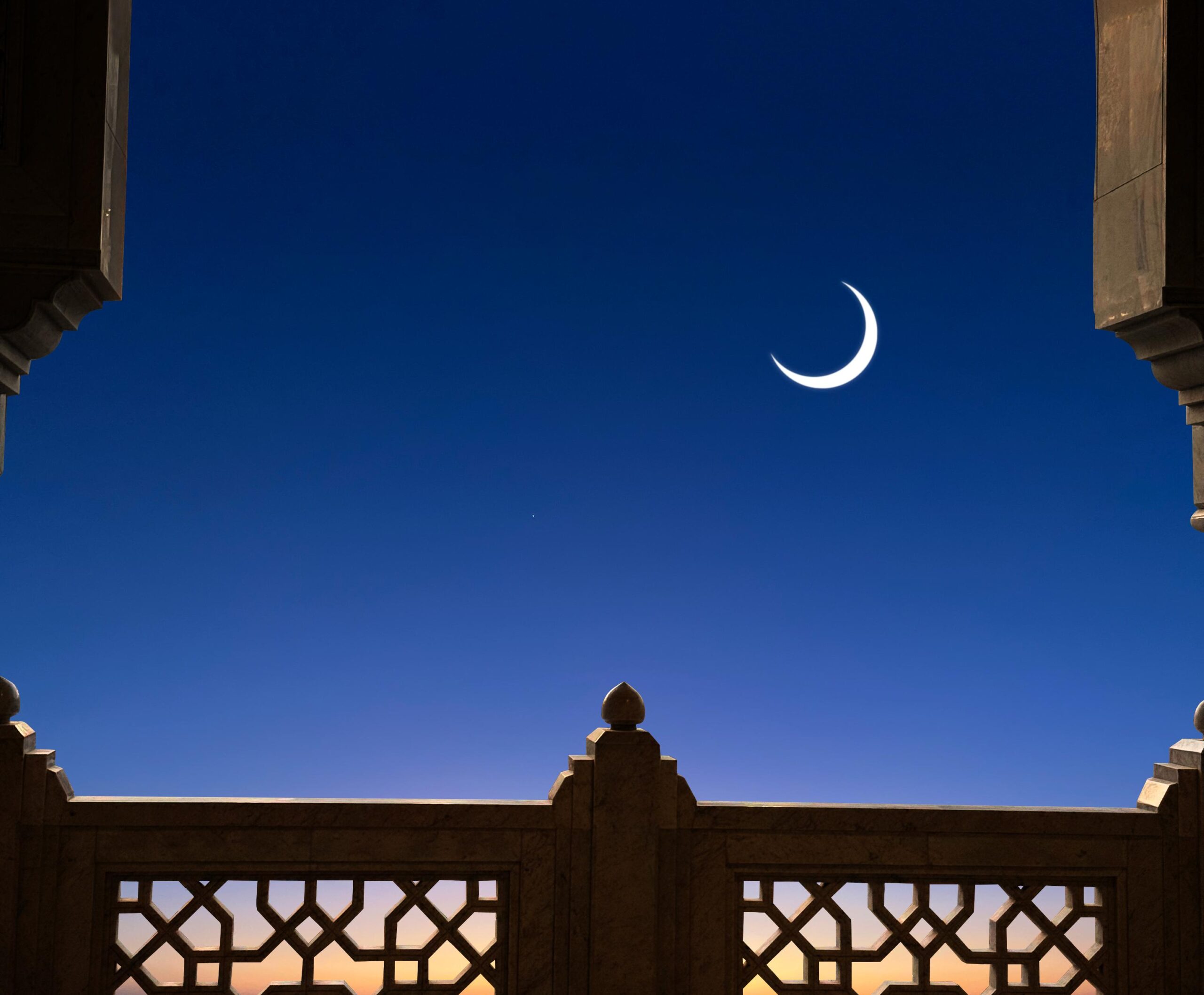

Ramazan fasting in Islam is one of the most powerful and transformative acts of worship. Known as Sawm, fasting during the holy month of Ramazan is not merely about staying hungry and thirsty—it is a spiritual training designed to purify the heart, strengthen faith, and deepen one’s connection with Allah. For Muslims around the world, Ramazan represents a sacred opportunity to renew intentions, seek forgiveness, and grow closer to their Creator.
Fasting in Islam is one of the Five Pillars, making it a fundamental act of obedience and devotion. Every year, Muslims eagerly await the arrival of Ramazan, knowing it is a month filled with mercy, blessings, and immense reward.
The Obligation of Fasting in Islam
Fasting during Ramazan is obligatory for every adult Muslim who is physically and mentally able. It begins at dawn (Fajr) and ends at sunset (Maghrib). During these hours, Muslims abstain from food, drink, and marital relations.
However, Islam is a religion of balance and mercy. Those who are ill, traveling, elderly, pregnant, or facing hardship are exempted, with alternatives provided such as making up missed fasts or feeding the poor. This shows that fasting is not meant to cause harm but to build spiritual strength.
The True Meaning of Fasting
Fasting is far more than physical abstinence. It is a complete spiritual discipline that involves controlling thoughts, speech, and actions.
Fasting of the Body
The body fasts from food and drink, reminding the believer of human weakness and dependence on Allah. Hunger teaches gratitude for daily blessings that are often taken for granted.
Fasting of the Heart
The heart fasts from hatred, jealousy, and pride. Muslims are encouraged to purify their intentions and increase love, kindness, and humility.
Fasting of the Tongue
Avoiding gossip, lying, and harmful speech is an essential part of fasting. True fasting requires good character and patience in difficult situations.
Developing Taqwa Through Fasting
The ultimate goal of fasting is to develop Taqwa—a deep awareness and consciousness of Allah. When a believer refrains from food and drink privately, even when no one is watching, it strengthens sincerity.
Fasting builds self-control and discipline. It trains the soul to resist temptations and encourages obedience to Allah in all aspects of life. This spiritual awareness continues beyond Ramazan, shaping a believer’s character throughout the year.
The Daily Routine of a Fasting Muslim
Ramazan introduces a unique spiritual routine that transforms daily life.
Suhoor – The Blessed Pre-Dawn Meal
Suhoor is eaten before Fajr prayer. It is a time of calm reflection and preparation for the day ahead. The Prophet Muhammad (peace be upon him) emphasized the importance of Suhoor, as it contains blessing.
Waking up early for Suhoor also allows time for dua (supplication) and seeking forgiveness in the quiet hours before dawn.
Iftar – Breaking the Fast
At sunset, Muslims break their fast with dates and water, following the Sunnah. Iftar is a moment of joy and gratitude. Families gather, prayers are made, and hearts are thankful for the strength to complete another day.
The dua made at the time of Iftar is especially powerful, as it is a moment when prayers are accepted.
Spiritual Benefits of Ramazan Fasting
Ramazan fasting brings countless spiritual benefits that transform the believer’s inner self.
It increases patience and resilience. It strengthens empathy for the poor and hungry. It purifies the soul from arrogance and selfishness. Most importantly, it draws the believer closer to Allah.
Fasting also increases reliance on prayer and remembrance. Muslims pray five times daily, perform Taraweeh at night, and engage in frequent Quran recitation.
The Quran and Fasting
Ramazan is known as the Month of the Quran because it was during this blessed month that the Quran was revealed. Fasting and Quran are deeply connected.
Muslims strive to recite and reflect upon the Quran more during Ramazan. Many aim to complete the entire Quran during the month. Taraweeh prayers in the mosque often include the recitation of large portions of the Quran each night.
The Quran guides believers toward righteousness, and fasting prepares the heart to receive that guidance.
Laylatul Qadr – The Night of Power
Among the last ten nights of Ramazan is Laylatul Qadr, a night described as better than a thousand months. Worship on this night carries immense reward.
Fasting Muslims increase their prayers, supplications, and remembrance during these nights, hoping to gain forgiveness and divine mercy. It is a time of deep reflection and sincere repentance.
Social and Community Impact
Fasting is not only a personal act of worship but also a collective experience. Entire communities fast together, break their fast together, and pray side by side.
Charity increases during Ramazan. Muslims give Zakat and Sadaqah generously, ensuring that the poor can also enjoy the blessings of the month. Feeding a fasting person carries great reward.
This collective spirit strengthens unity within the Muslim Ummah.
Teaching Children About Fasting
Parents often encourage children to practice partial fasts to help them understand its importance. Teaching children about fasting nurtures discipline and gratitude from a young age.
Explaining that fasting is a gift from Allah and a means of earning reward helps children develop love for this sacred act of worship.
Continuing the Spirit After Ramazan
Although Ramazan lasts one month, the lessons learned from fasting should continue throughout the year. Patience, kindness, discipline, and prayer should remain part of daily life.
Voluntary fasts outside Ramazan, such as fasting on Mondays and Thursdays, help maintain spiritual momentum. The goal of Ramazan fasting is lasting transformation.
Conclusion – A Divine Training for the Soul
Ramazan fasting in Islam is a beautiful act of devotion that purifies the soul and strengthens faith. It teaches self-control, gratitude, compassion, and deep reliance on Allah. Through hunger and patience, the believer discovers spiritual richness and inner peace.
May Allah accept our fasts, forgive our shortcomings, and allow the lessons of Ramazan to shape our lives long after the month has passed. May fasting always remind us of our purpose—to worship Allah with sincerity, humility, and love. Ameen.