
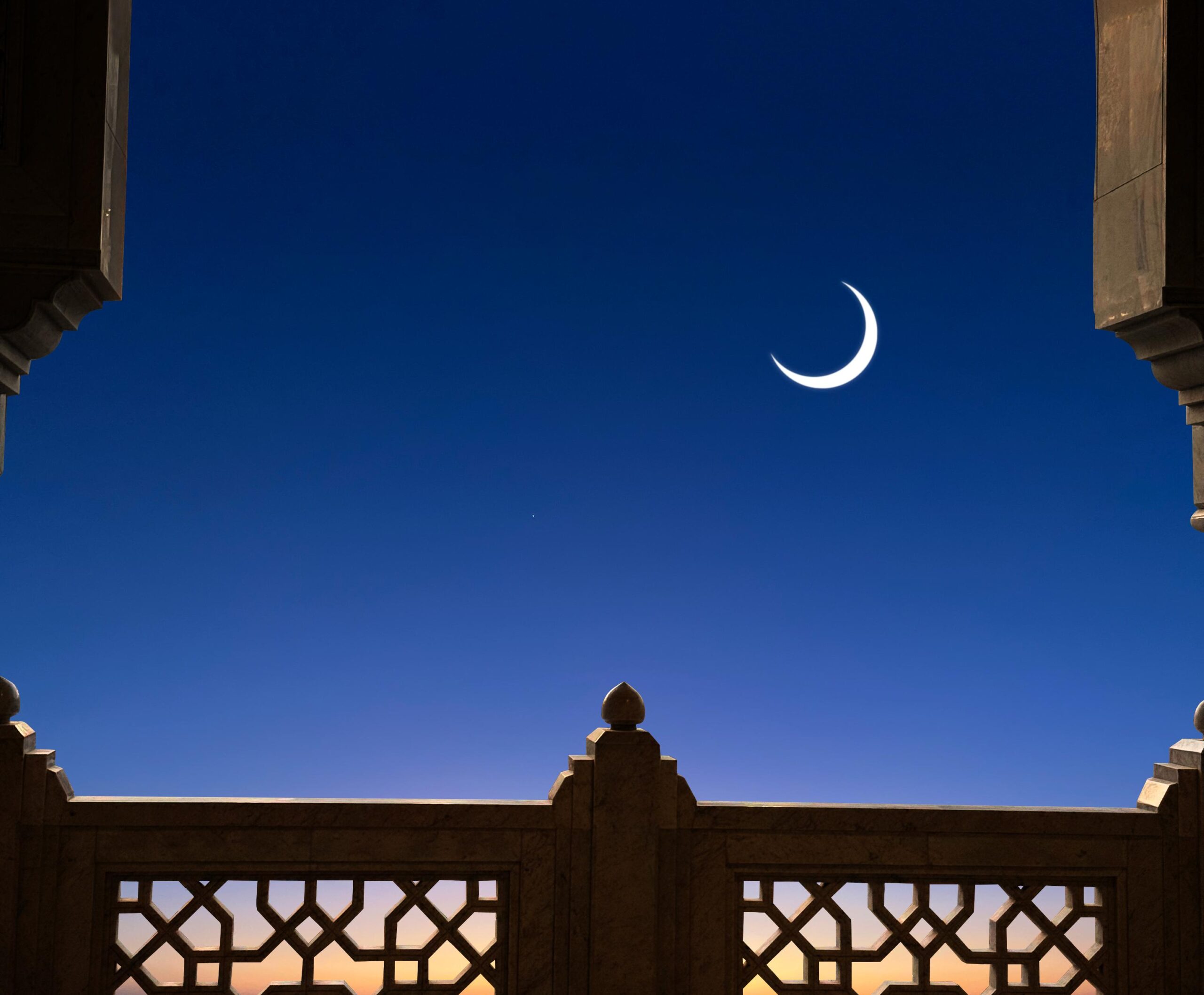
Ramazan (Ramadan) is the most blessed and spiritually uplifting month in the Islamic calendar. It is a time when Muslims around the world dedicate themselves to fasting, prayer, charity, and deep reflection. More than just abstaining from food and drink, Ramazan is a month of purification—of the heart, mind, and soul. It is a divine opportunity to reconnect with Allah, seek forgiveness, and renew faith.
For believers, Ramazan is not merely a ritual; it is a transformative journey. It teaches patience, gratitude, compassion, and self-discipline. Each day of fasting strengthens the soul, and each night of worship brings the believer closer to Allah.
The Significance of Ramazan in Islam
Ramazan is the ninth month of the Islamic lunar calendar and holds immense importance because it is the month in which the Holy Quran was revealed. Allah chose this month to send divine guidance to humanity, making it a time of immense blessings and mercy.
Fasting during Ramazan is one of the Five Pillars of Islam, making it an obligatory act of worship for adult Muslims who are physically able. It is a command from Allah that carries both spiritual rewards and moral discipline.
The Purpose of Fasting (Sawm)
Fasting, known as Sawm, begins at dawn (Suhoor) and ends at sunset (Iftar). During this time, Muslims refrain from eating, drinking, and other physical desires. However, fasting is not limited to physical abstinence.
Spiritual Discipline
The true purpose of fasting is to develop Taqwa—God-consciousness. When a believer controls physical desires, it strengthens inner faith and awareness of Allah. Fasting reminds Muslims that Allah is always watching, encouraging sincerity and honesty.
Building Patience and Self-Control
Hunger and thirst teach patience. They remind us of those who struggle daily without food or comfort. Through fasting, Muslims learn empathy and develop compassion for the less fortunate.
The Quran and Ramazan
Ramazan is often called “The Month of the Quran.” It was during this sacred month that the first verses of the Quran were revealed to Prophet Muhammad (peace be upon him). As a result, Muslims increase their recitation and reflection upon the Quran during this time.
Many strive to complete the entire Quran at least once in Ramazan. Night prayers (Taraweeh) are held in mosques, where long portions of the Quran are recited. This strengthens the bond between believers and the divine message.
Night Prayers and Worship
The nights of Ramazan are filled with spiritual light. After Isha prayer, Muslims gather for Taraweeh, special voluntary prayers performed only in this month. These prayers provide an opportunity to stand before Allah in humility and devotion.
Laylatul Qadr – The Night of Power
Among the last ten nights of Ramazan lies Laylatul Qadr, the Night of Power. It is described in the Quran as better than a thousand months. Worship on this night carries immense reward. Muslims increase their prayers, supplications, and remembrance of Allah, hoping to witness its blessings.
Charity and Generosity in Ramazan
Ramazan is also a month of giving. Muslims are encouraged to increase their charity and help those in need. Zakat (obligatory charity) and Sadaqah (voluntary charity) are commonly given during this time.
Providing meals for fasting individuals, supporting poor families, and contributing to community welfare are acts that multiply in reward. The spirit of generosity during Ramazan strengthens community bonds and promotes social justice.
The Beauty of Suhoor and Iftar
The daily routine of Ramazan revolves around two important meals—Suhoor and Iftar.
Suhoor is the pre-dawn meal that prepares the body for fasting. It is a blessed time filled with calmness and prayer. Waking up before dawn allows believers to make dua and seek forgiveness in the quiet hours of the night.
Iftar is the meal that breaks the fast at sunset, traditionally with dates and water. It is a joyful moment of gratitude. Families gather, prayers are made, and hearts are thankful for the strength to complete another day of fasting.
Ramazan as a Month of Self-Reflection
Ramazan encourages believers to examine their lives. It is a time to seek forgiveness for past mistakes and make sincere intentions to improve. Muslims strive to avoid gossip, anger, and harmful behavior.
By controlling the tongue, eyes, and actions, fasting becomes a shield against sin. The month teaches that true success lies not in material gain but in spiritual growth.
Teaching Children the Value of Ramazan
Children eagerly observe Ramazan traditions. Parents play an important role in teaching them its deeper meaning. Encouraging children to attempt small fasts, recite Quran, and give charity nurtures love for Islam from an early age.
Ramazan becomes a family experience—decorating homes, preparing Iftar together, and praying side by side. These memories leave a lasting spiritual impact.
Health and Discipline
Beyond spirituality, Ramazan also promotes discipline and mindful living. Fasting allows the body to rest from constant eating and encourages healthier habits when practiced correctly.
However, the main focus remains spiritual well-being. The discipline learned during Ramazan should inspire believers to maintain balance and moderation throughout the year.
Unity of the Muslim Ummah
One of the most beautiful aspects of Ramazan is global unity. Millions of Muslims fast together, pray together, and break their fast at the same time according to their regions. This shared experience strengthens the bond of the Ummah.
From small villages to major cities, the atmosphere of Ramazan is filled with peace and devotion. Mosques are illuminated, and communities come alive with worship.
Continuing the Lessons Beyond Ramazan
Ramazan is a training ground for the entire year. The patience, discipline, and devotion developed during this month should not end with its conclusion. Believers are encouraged to continue praying regularly, reciting Quran, and giving charity even after Ramazan ends.
The goal is lasting transformation. When Ramazan changes a heart permanently, its true purpose is fulfilled.
Conclusion – A Month of Mercy and Transformation
Ramazan is a divine gift—a month of mercy, forgiveness, and immense reward. It purifies the soul, strengthens faith, and unites communities. Through fasting, prayer, charity, and Quran recitation, Muslims grow spiritually and morally.
May this blessed month bring peace to every heart, guidance to every soul, and countless blessings to every home. May Allah accept our fasts, prayers, and good deeds, and allow us to witness many more Ramazans with renewed faith and devotion. Ameen.