
Eid Ul Fitr is one of the most blessed and joyous occasions in the Islamic calendar. It marks the completion of the holy month of Ramadan, a month filled with fasting, prayer, reflection, and spiritual growth. For Muslims around the world, Eid Ul Fitr is not just a festival—it is a day of gratitude, mercy, and renewed faith. It is a celebration that brings families together and strengthens bonds within communities.
After thirty days of fasting from dawn to sunset, believers gather to thank Allah for granting them the strength to complete Ramadan. Eid Ul Fitr is a reminder that patience, discipline, and devotion bring spiritual rewards and inner peace.
The Spiritual Meaning of Eid Ul Fitr
Eid Ul Fitr translates to “The Festival of Breaking the Fast.” It begins after the sighting of the Shawwal crescent moon, signaling the end of Ramadan. However, the true beauty of Eid lies beyond food and celebration—it lies in gratitude and humility.
A Day of Gratitude
Eid is a day to thank Allah for the blessings of Ramadan. Throughout the month, Muslims engage in fasting, charity, Quran recitation, and increased worship. Eid is a reward for that devotion. It teaches believers to remain thankful not only on this special day but throughout their lives.
A Day of Forgiveness
Ramadan is a month of forgiveness, and Eid continues that spirit. Muslims are encouraged to forgive one another, forget past grievances, and begin anew. This act of forgiveness strengthens relationships and purifies the heart.
The Importance of Eid Prayer
The day of Eid begins with a special congregational prayer performed shortly after sunrise. Muslims gather in mosques or open grounds dressed in their finest clothes. The Eid prayer symbolizes unity, equality, and brotherhood.
Standing shoulder to shoulder, regardless of social status or wealth, Muslims demonstrate that all are equal before Allah. The sermon (Khutbah) that follows reminds believers of their responsibilities toward society and encourages kindness and generosity.
Zakat Ul Fitr – Helping Those in Need
Before the Eid prayer, Muslims are required to give Zakat Ul Fitr, a form of charity given to the poor. This ensures that even the less fortunate can celebrate Eid with dignity and happiness.
Zakat Ul Fitr teaches compassion and social responsibility. It reminds us that true celebration is incomplete unless everyone in the community can share in the joy. By supporting those in need, Muslims uphold the values of justice and generosity.
Traditions and Celebrations
Eid Ul Fitr is filled with beautiful traditions that vary across cultures but share the same spirit of joy and gratitude.
Wearing New or Clean Clothes
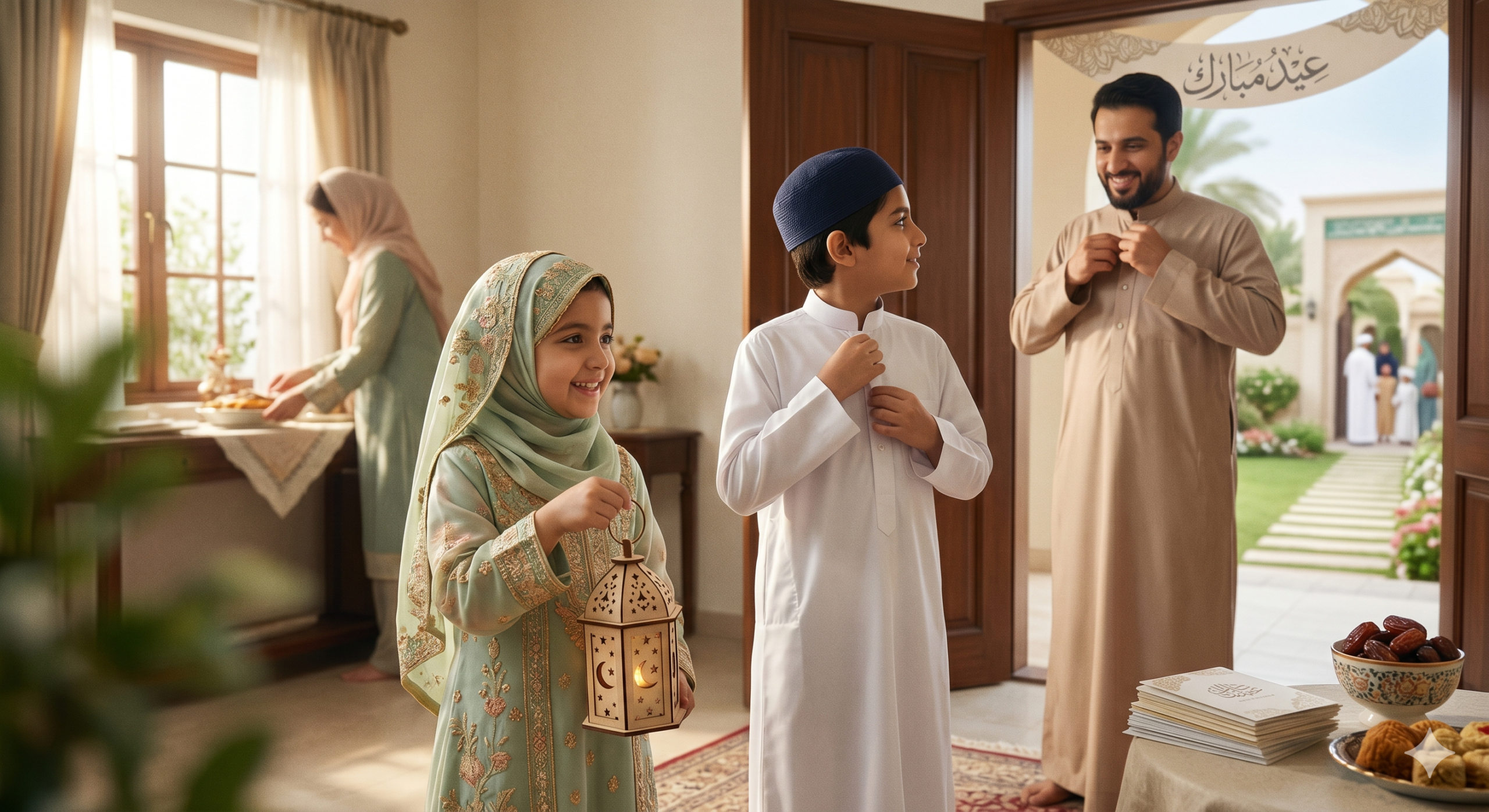
On Eid morning, Muslims wear new or freshly cleaned clothes. This represents renewal and purity after Ramadan. It is a symbol of spiritual cleansing and a fresh beginning.
Sharing Sweet Dishes
Special sweets and traditional dishes are prepared to celebrate the day. In many homes, desserts like sheer khurma, cakes, and pastries are shared with family and guests. These meals reflect happiness and hospitality.
Visiting Family and Friends
Eid is a time to strengthen family ties. Relatives visit one another, exchange greetings of “Eid Mubarak,” and offer prayers for each other’s well-being. Children receive gifts or money (Eidi), adding excitement to the occasion.
Eid and Community Unity
One of the most beautiful aspects of Eid Ul Fitr is the sense of unity it creates. Muslims from different backgrounds, cultures, and languages come together in celebration. It removes barriers and builds strong community connections.
Neighbors greet one another warmly, and mosques become centers of joy and fellowship. Eid teaches that faith is not just individual worship but collective harmony.
Lessons from Ramadan That Continue on Eid
Eid Ul Fitr is not the end of worship; rather, it is a continuation of the lessons learned during Ramadan.
Discipline and Self-Control
Fasting teaches patience and self-restraint. Eid reminds Muslims to carry that discipline into daily life—avoiding harmful habits and maintaining good character.
Consistency in Worship
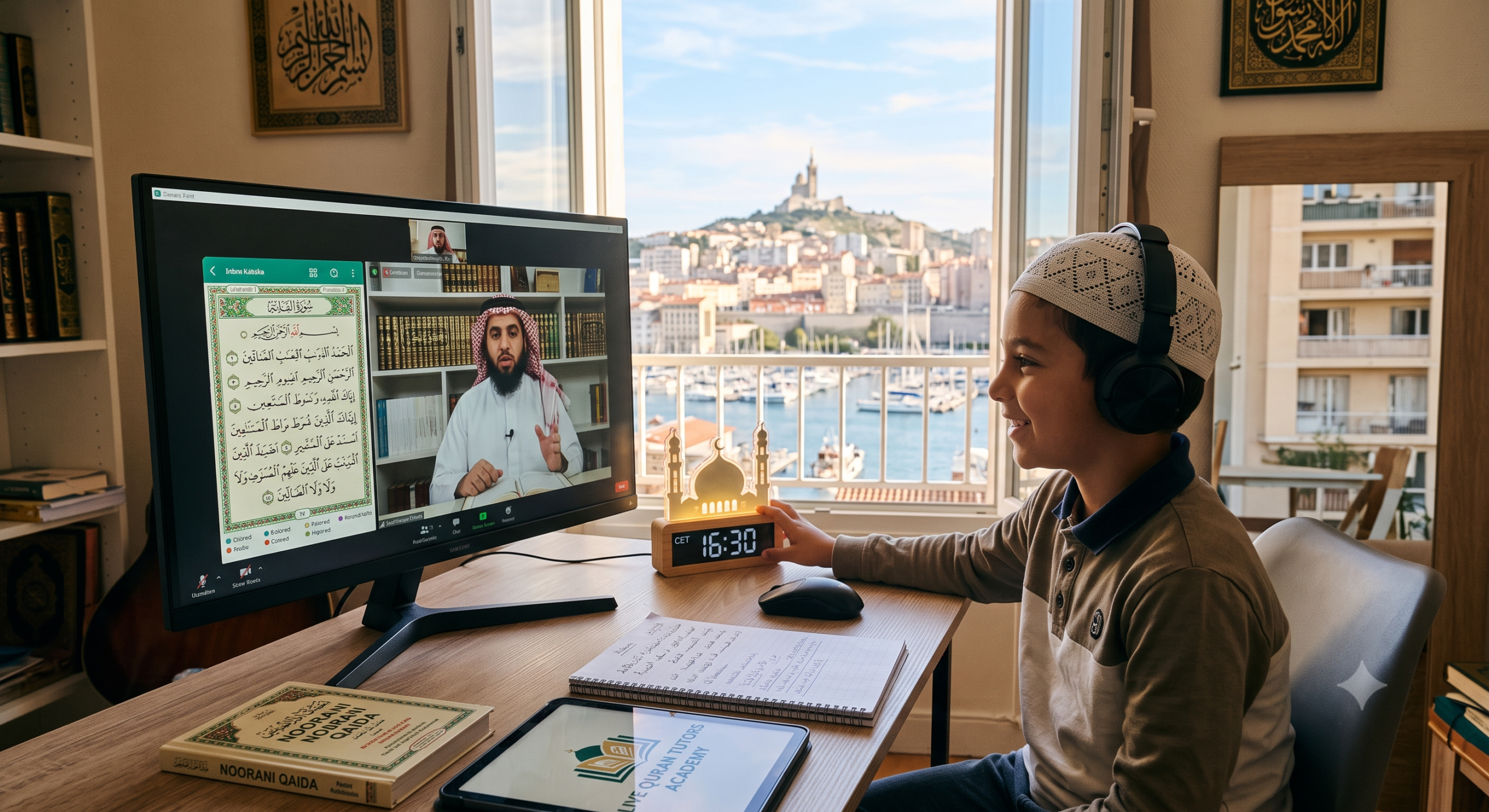
During Ramadan, many Muslims increase their prayers and Quran recitation. Eid encourages believers to continue this consistency throughout the year, keeping their connection with the Quran strong.
Teaching Children the True Meaning of Eid
While children eagerly anticipate gifts and celebrations, it is important to teach them the deeper meaning of Eid Ul Fitr. Parents and teachers should explain that Eid is a reward for fasting and obedience to Allah.
Encouraging children to give charity, offer prayers, and show kindness helps them grow spiritually. When young hearts understand the value of gratitude and generosity, they develop a lifelong love for their faith.
Eid Around the World
Eid Ul Fitr is celebrated globally, from small villages to large cities. Although cultural traditions may differ, the core values remain the same—faith, family, and compassion.
In some countries, large public gatherings are held in open fields. In others, homes are beautifully decorated, and streets are illuminated. Despite these variations, the spirit of Eid remains universal.
The Role of the Quran in Eid
The Quran holds a central place in Ramadan and continues to guide Muslims on Eid. After completing a month of Quran recitation, many believers reflect on its teachings and strive to implement them in their lives.
Eid is a perfect time to renew one’s commitment to understanding and practicing the Quran. It is an opportunity to strengthen the bond with divine guidance.
Spreading Joy Beyond One Day
Although Eid Ul Fitr lasts one day, its spirit should extend beyond it. The kindness, generosity, and unity experienced on Eid should become part of everyday life.
By helping neighbors, supporting the needy, and maintaining strong family ties, Muslims can keep the essence of Eid alive throughout the year.
Conclusion – A Day of Blessings and Renewal
Eid Ul Fitr is a beautiful reminder of Allah’s mercy and blessings. It celebrates the completion of Ramadan while encouraging believers to continue their spiritual journey. Through prayer, charity, gratitude, and unity, Eid strengthens both faith and community.
May Eid Ul Fitr bring peace, happiness, and countless blessings to every home. Eid Mubarak to all who celebrate—may your hearts remain illuminated with faith and your lives filled with gratitude and compassion.